By Stephen Adam · 10th July 2026
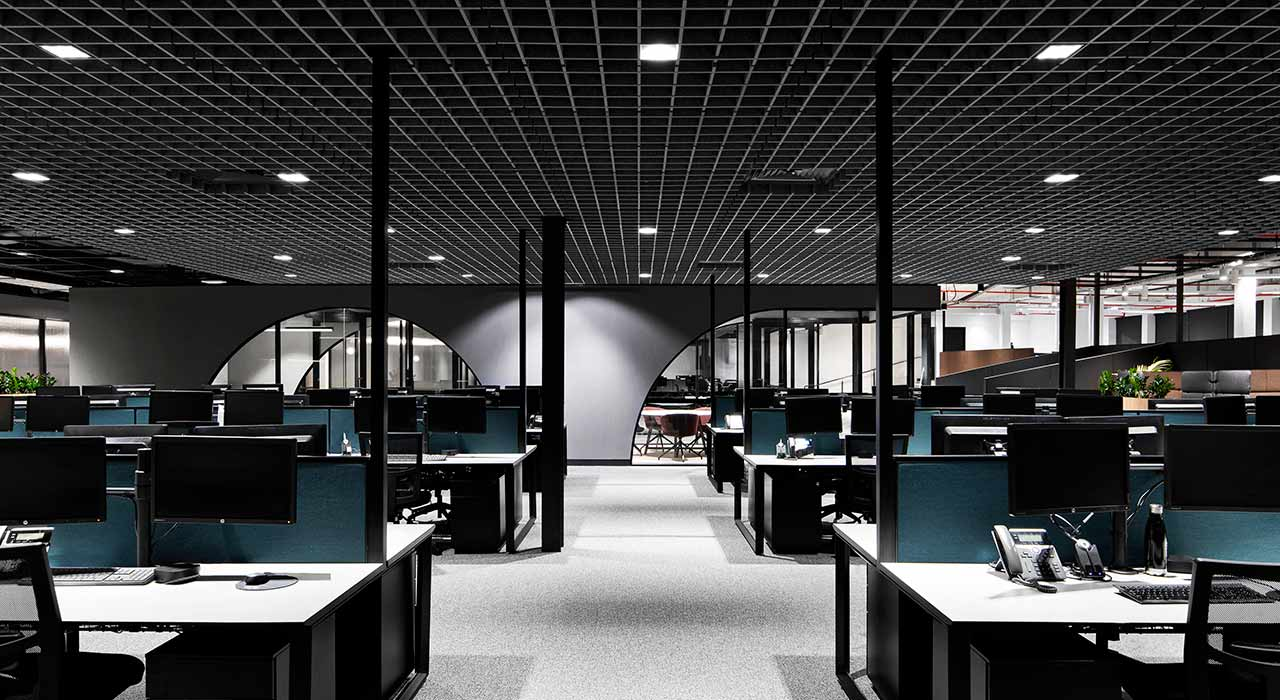
Open-plan offices were introduced to encourage collaboration, improve communication, and make better use of available space. While these layouts have helped organizations break down barriers between teams, they have also created a common challenge that many employees face every day: noise and distraction. Conversations, phone calls, meetings, and movement throughout the workspace can make it difficult for individuals to focus on tasks that require deep concentration.
As businesses continue to prioritize employee wellbeing and productivity, the need for dedicated quiet areas has become increasingly clear. Modern workplaces are evolving beyond the idea that every task should happen in the same shared environment. Instead, companies are recognizing the value of providing employees with spaces that support different work styles and responsibilities. Creating quiet zones within open-plan offices is one of the most effective ways to achieve this balance.
Understanding the Impact of Workplace Noise

Noise is often underestimated as a workplace challenge. While some background activity can create an energetic atmosphere, excessive noise can significantly reduce concentration and productivity. Employees performing analytical, creative, or detail-oriented work frequently require uninterrupted periods of focus to perform at their best.
Research from workplace experts and organizational psychologists consistently highlights the relationship between distractions and reduced performance. Frequent interruptions can increase mental fatigue, extend task completion times, and contribute to workplace stress. In open-plan environments, employees may spend considerable energy simply trying to filter out surrounding noise.
The impact extends beyond productivity. Persistent distractions can affect job satisfaction, employee engagement, and overall workplace wellbeing. When workers feel they lack control over their environment, frustration can grow, ultimately influencing morale and retention. Quiet zones help address these concerns by providing spaces specifically designed for focused work.
Why Quiet Zones Are Essential in Modern Offices
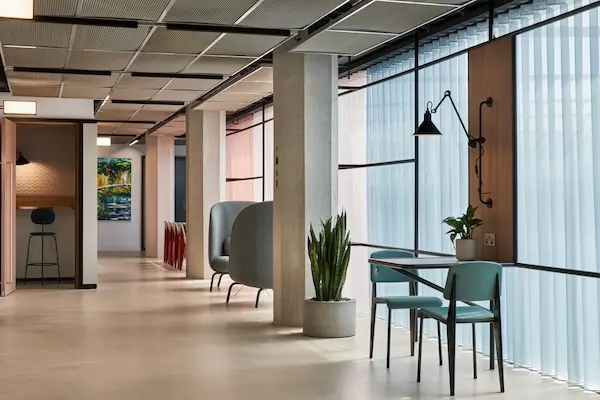
Today’s workforce performs a diverse range of tasks throughout the day. Some activities thrive in collaborative environments, while others require concentration and minimal interruption. Open-plan offices often support teamwork effectively but may struggle to accommodate focused individual work without designated quiet areas.
Quiet zones offer employees flexibility in how they work. Instead of forcing all activities into a single environment, organizations can provide spaces that align with specific needs. Employees can move between collaborative areas and quiet spaces depending on the task at hand, creating a more adaptable and productive workplace.
The rise of hybrid work has further increased the importance of quiet spaces. Employees who split time between home and the office often expect environments that support both collaboration and focused work. Businesses that provide this balance are better positioned to meet employee expectations while maintaining productivity and engagement.
Designing Effective Quiet Spaces
Creating a successful quiet zone requires more than simply designating an area as silent. The physical environment should be intentionally designed to minimize distractions and support concentration. Location, acoustics, lighting, and furniture all play important roles in creating a space that employees genuinely want to use.
Acoustic treatments can significantly improve the effectiveness of quiet zones. Sound-absorbing materials, carpeting, ceiling panels, and strategic partitions help reduce noise transfer from surrounding areas. Careful planning ensures that quiet spaces remain insulated from the activity of the broader office environment.
Furniture selection is equally important. Comfortable seating, ergonomic workstations, and thoughtfully arranged layouts can help employees settle into focused work more effectively. Businesses looking for flexible solutions often explore options such as private workstations and office pods UK, which provide dedicated spaces for concentration without requiring major structural changes to existing office layouts.
Balancing Collaboration and Privacy
One of the biggest concerns organizations face when introducing quiet zones is maintaining the collaborative culture that open-plan offices are designed to encourage. However, creating quiet areas does not mean reducing opportunities for teamwork. Instead, it allows workplaces to support both collaboration and individual productivity more effectively.
Successful office design recognizes that different tasks require different environments. Brainstorming sessions, team meetings, and spontaneous conversations benefit from open collaborative spaces. Report writing, data analysis, strategic planning, and creative work often require privacy and uninterrupted focus.
Providing a variety of workspace options empowers employees to choose the environment that best supports their current task. This flexibility can improve efficiency while reducing frustration associated with constant interruptions. Rather than viewing collaboration and privacy as competing priorities, modern offices can integrate both into a cohesive workplace strategy.
Encouraging Employee Wellbeing Through Quiet Zones
Employee wellbeing has become a major focus for organizations across industries. Workplace design plays a significant role in shaping employee experiences, influencing everything from stress levels to job satisfaction. Quiet zones contribute directly to healthier and more supportive work environments.
Having access to calm spaces allows employees to take mental breaks from the constant stimulation of busy office settings. Even short periods spent in quieter environments can help individuals recharge, refocus, and return to collaborative spaces with renewed energy. This can support both productivity and overall well-being.
Quiet zones can also create a greater sense of autonomy. Employees appreciate having choices in how and where they work. When organizations provide environments that accommodate different working preferences, employees often feel more valued and supported. This can strengthen engagement and contribute to a more positive workplace culture.
The Future of Open-Plan Office Design
Workplace design continues to evolve as businesses gain a deeper understanding of how physical environments influence performance and satisfaction. The future of office design is unlikely to abandon open-plan concepts altogether. Instead, it is moving toward more balanced and adaptable environments that support a wider range of work activities.
Many organizations are embracing activity-based working models that provide employees with access to multiple types of spaces throughout the day. Quiet zones, collaborative hubs, meeting rooms, and social areas all serve distinct purposes within a unified workplace ecosystem. This approach recognizes that no single environment can effectively support every task.
As employee expectations continue to change, businesses that invest in flexible workspace solutions will be better positioned to attract and retain talent. Creating quiet zones represents a practical and forward-thinking response to the challenges of modern office life while preserving the benefits that open-plan workplaces can offer.
Conclusion
Open-plan offices have transformed the way people work together, but they have also highlighted the importance of providing spaces for focused, uninterrupted work. Quiet zones offer a practical solution by addressing noise-related challenges while supporting productivity, wellbeing, and employee satisfaction. They allow organizations to create environments that accommodate a variety of working styles without sacrificing collaboration.
As modern workplaces continue to evolve, the most successful offices will be those that embrace flexibility and balance. By integrating thoughtfully designed quiet spaces into open-plan layouts, businesses can create environments where employees feel empowered to do their best work. The result is a workplace that supports concentration, encourages wellbeing, and adapts to the changing demands of today’s professional world.